
Sights and History of Crikvenica
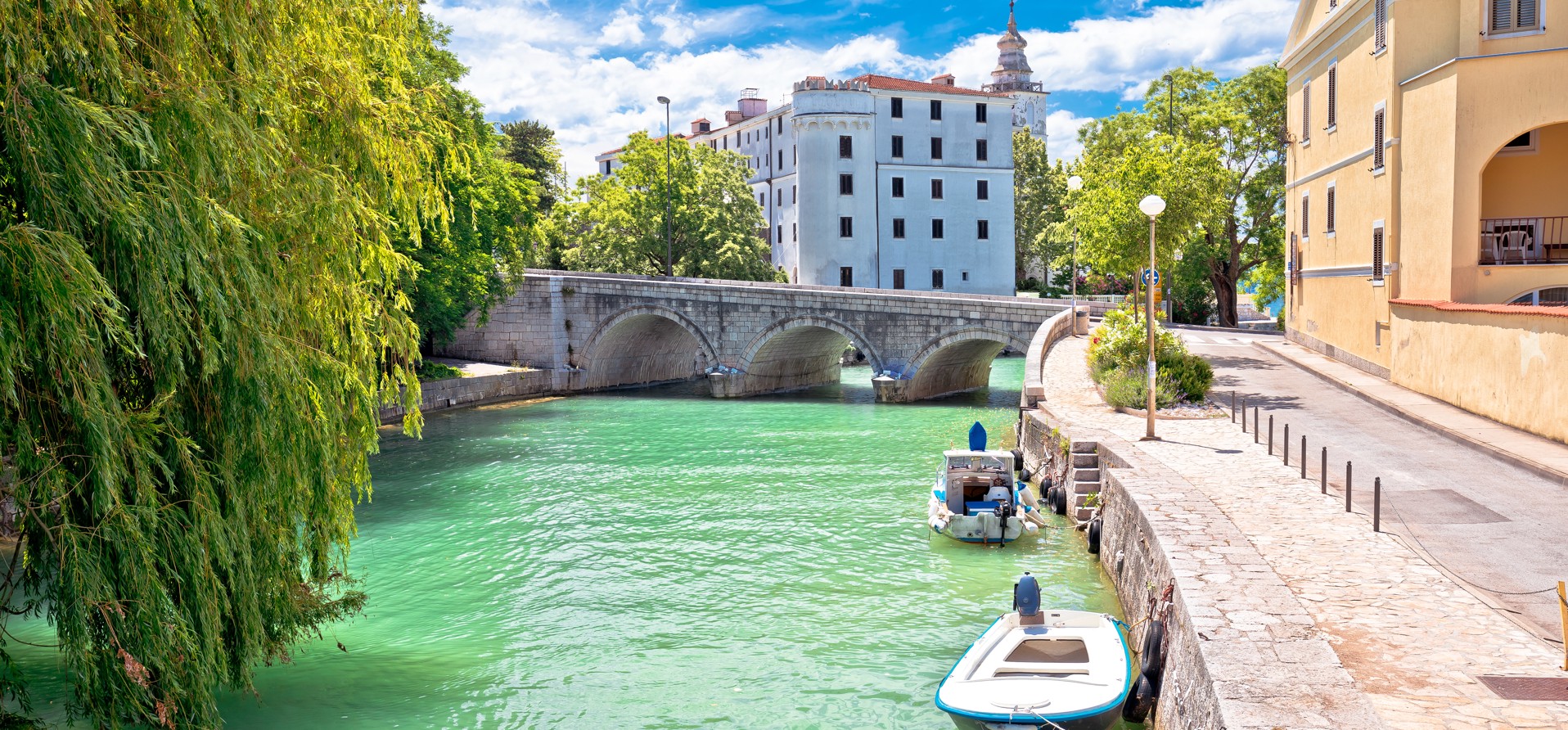
From Roman station to climatic health resort
The first traces of life in Crikvenica date back to around 2000 BC. In the 1st century, a station on a Roman road stood here, Ad Turres, with a pottery workshop. The history of Crikvenica, Dramalj, Jadranovo and Selce is tied to the development of the neighbouring medieval towns of Drivenik, Grižane, Bribir and Tribalj and the fertile Vinodol valley. Each of these towns had a harbour around which fishing villages grew, and skilled fishermen and stonemasons shaped both the quality of life and the look of the towns in Vinodol. Today's Crikvenica was formed when people moved out of these overcrowded towns nearby. With too little land to farm, the people of Crikvenica turned to the sea; legend has it that the old Crikvenica locals were born on fishing nets. In the 19th century, Crikvenica was a centre of oily fish fishing, above all sardines, and in the second half of the century it developed into a climatic health resort, a favourite of the Austro-Hungarian nobility.
Five sights in Crikvenica
The Church of the Assumption of the Blessed Virgin Mary
The church next to which Nikola IV Frankopan had a monastery built in the early 15th century, handing it over to the Pauline order. Together they form a cultural ensemble at the mouth of the Dubračina.

The Pauline Monastery
The monastery at the mouth of the Dubračina, built in the early 15th century beside an older church. The town takes its name from this very church, the crikva, around which old Crikvenica grew.

Archaeological site Lokvišće
The oldest cultural monument in Jadranovo, in Lokvišće cove, with views of the sea and the mountains.

Stari Grad (Old Town)
Narrow streets, stone houses and small squares keep the spirit of fishing-town Crikvenica alive. They are best explored slowly, before dinner.

The promenade
The seaside promenade links history and everyday life, with landmarks and monuments from different eras.

Your Perfect Holiday Starts Here