
Culture and Seafaring Traditions of Orebić
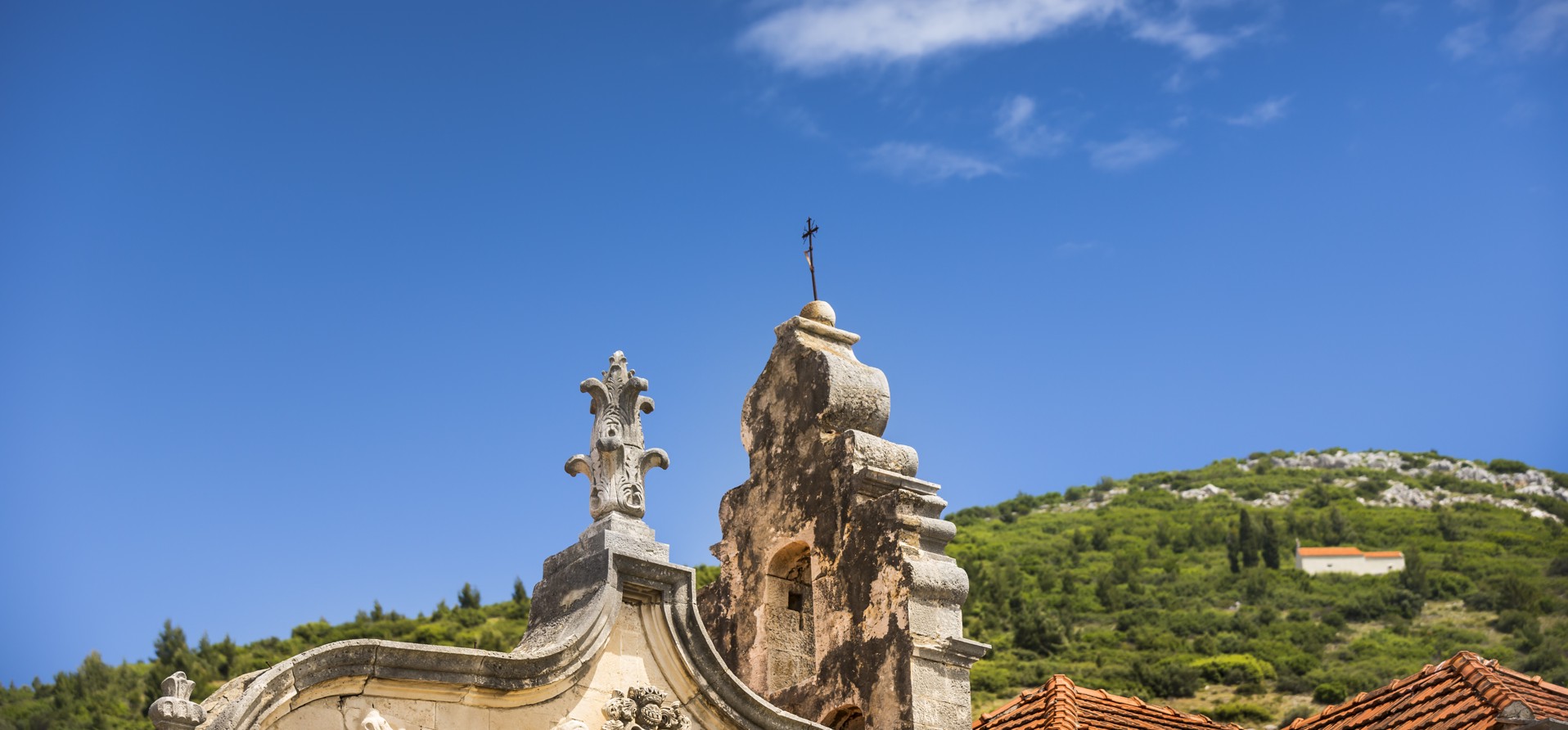
Maritime heritage and living tradition
Orebić's culture was born at sea and in the vineyards. Captains brought plants and new customs home from their voyages, while families kept their songs, faith and wine. Today you can discover this heritage in the museum, at klapa evenings, in the monasteries above the sea and at the table over a glass of plavac mali.
Culture of the captains' town
Maritime Museum
The museum on Trg Mimbelli tells the story of the seafarers and sailing ships of the Pelješac Riviera, which in its 19th-century golden age had around 250 captains and 90 sailing ships. It is also a good choice for a day when you want a break from the sun.

The monasteries of Gospa od Anđela and Viganj
Since 1470, Franciscans have looked after the monastery of Our Lady of the Angels (Gospa od Anđela) above the Pelješac Channel, and in Viganj, known for its surfers, stands a Dominican monastery with the Church of Our Lady of the Rosary, whose construction was approved in 1671.

Wine tradition
On Pelješac, wine is part of the identity. Plavac mali from the Dingač and Postup sites, grown on steep slopes facing the sea, is celebrated at the Festival peljeških okusa (Flavours of Pelješac) and in family wineries, which open their cellars in December for the Dani otvorenih vinskih podruma Pelješca (Pelješac Open Wine Cellar Days).

Klapa singing
Dalmatian klapa, a cappella singing in several voices, brings the squares and courtyards of Orebić to life in summer, including at the Zvuci Dalmacije (Sounds of Dalmatia) evenings by the Church of the Annunciation (Nuncijata). The tradition is also kept alive by the Poloneza folklore group, active for six decades now.

Korčula and the moreška
Twenty minutes by ferry or around fifteen minutes by passenger boat separate you from the island across the channel, where the moreška, a knights' sword dance, is performed in summer. Combine a cultural evening on the island with the trip back to Orebić.

Your Perfect Holiday Starts Here